Offshore racing
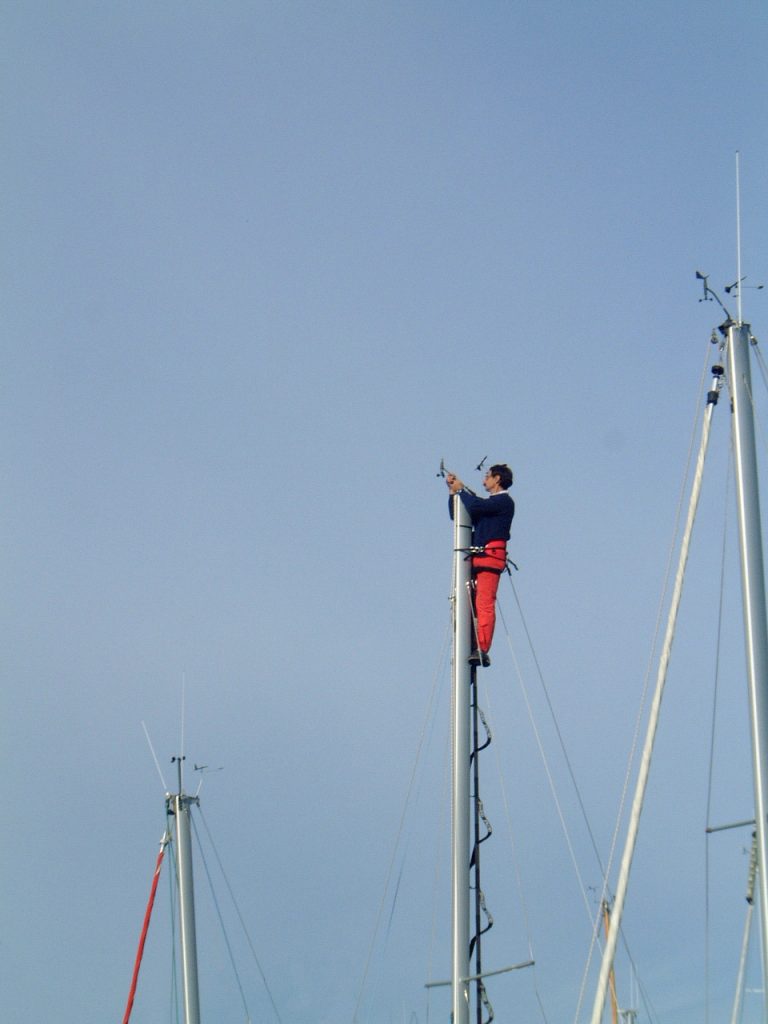
A comfortable and secure platform at the top, reinforced with polyethylene, ensures maximum safety and comfort while working aloft.
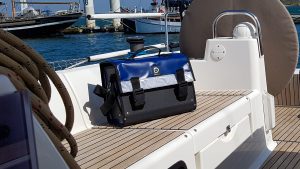
The ladder is available in 3.7 m or 9 m lengths, delivered in a large storage bag. It is modular, with 2.3 m and 7 m extension sections available, allowing it to be adjusted to the exact height of your mast.
Thanks to the included safety kit — featuring a work harness and fall arrest system — you can safely perform all kinds of tasks up the mast: replacing lights, working on the spreaders, installing a wind vane, and more.
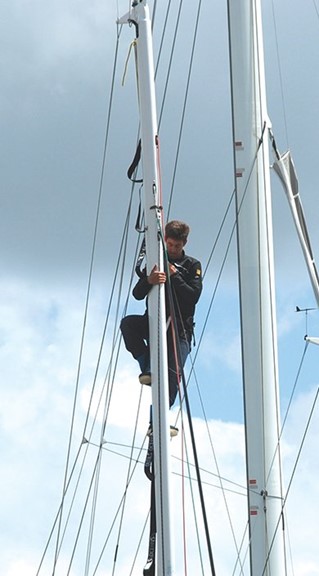
Magic-Mat Ladder : The Easiest and Safest Way to Climb the Mast Solo
Featuring alternating rungs and a reinforced platform at the top, all lined with polyethylene, the Magic-Mat ladder ensures maximum comfort and safety while working aloft.
Outils Océans has developed Magic-Mat as a solution for all sailors, racers, and cruisers who need to climb their mast.
This mast ladder addresses three key “S” values.
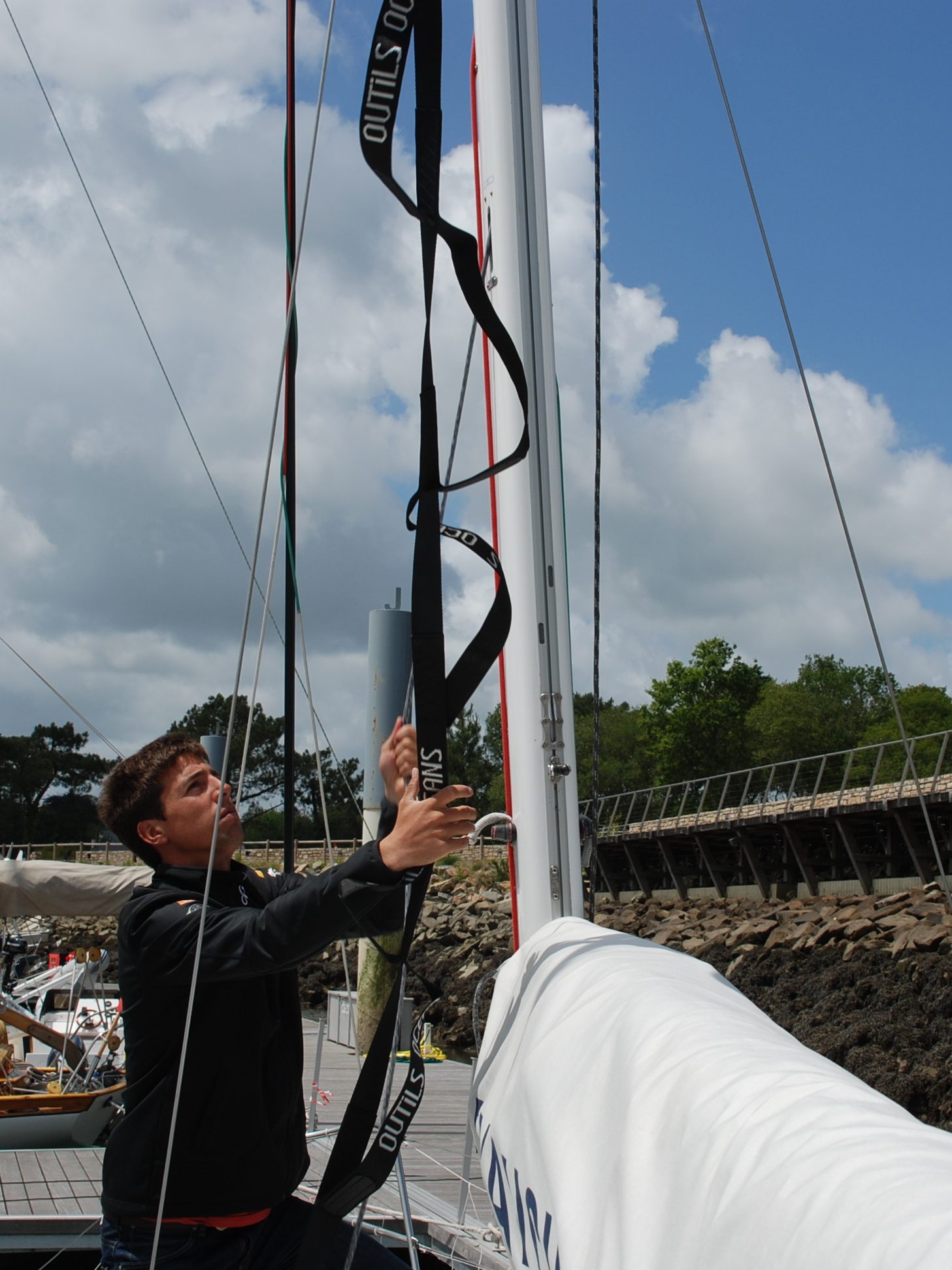
S for Simple : Hoist it, tension it, climb!
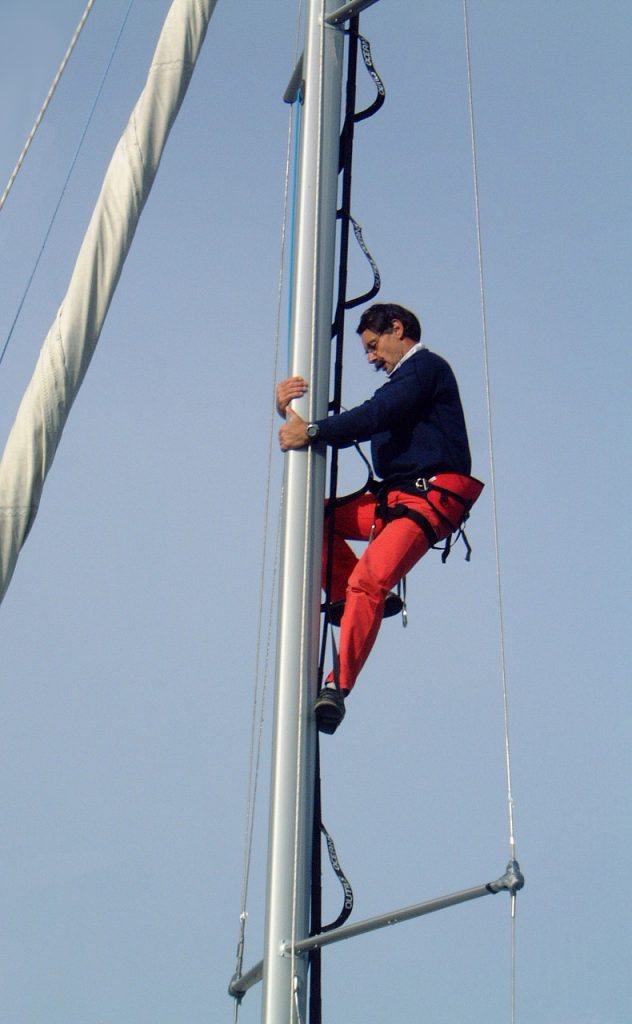
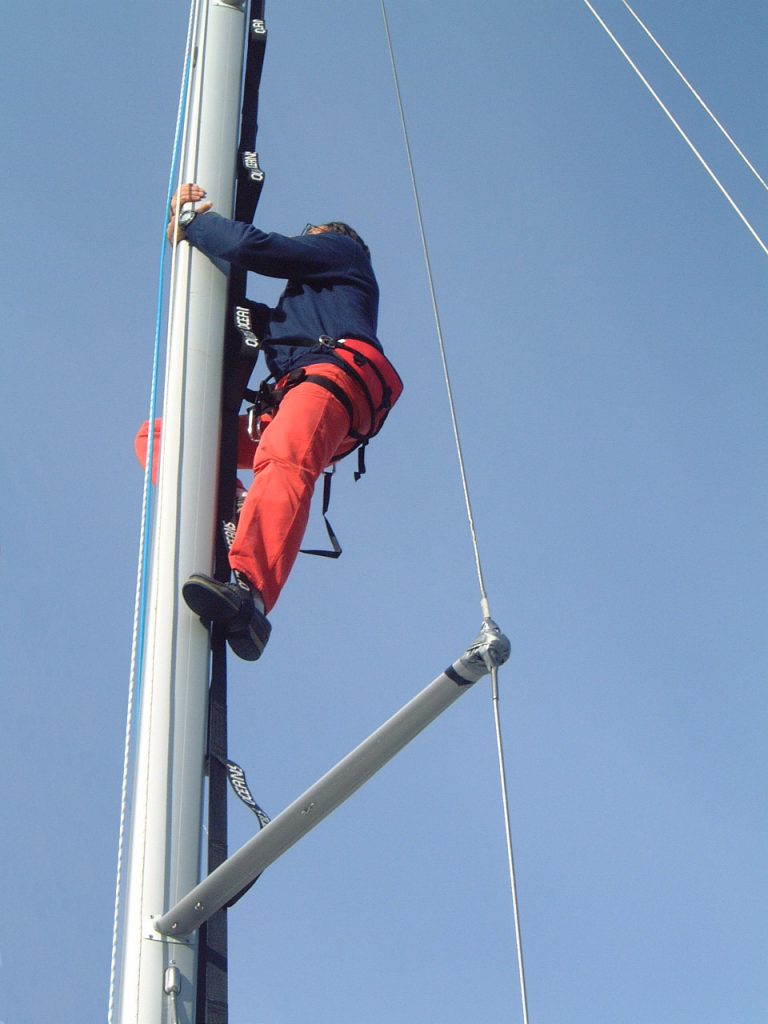
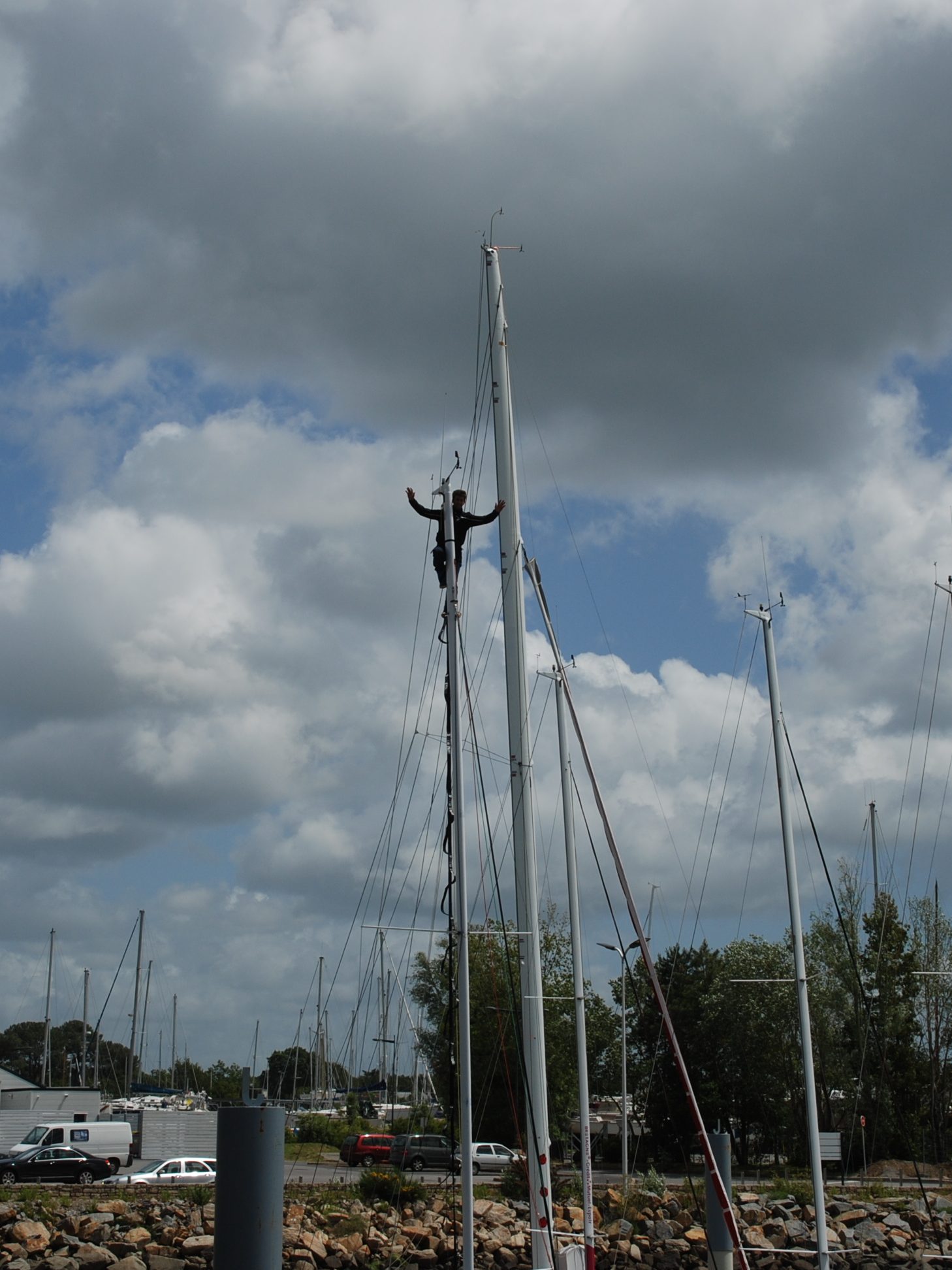
Designed for ease of use, the Magic-Mat only requires you to adopt the “coconut tree” climbing technique to go up the mast and replace a light or install a wind vane.
Once you’re done, the ladder is easy to lower and stow onboard.
S for Solo : No assistance needed.
The installation and climbing technique require no external help — whether at sea or on land.
The sailor climbs independently and with complete autonomy.
S for Safe : Resilient materials and robust accessories.
The mast ladder is unbreakable and made from flexible, durable materials.
Equipped with a safety harness and fall arrest system, the sailor is fully protected from the risk of falling.
Hoist. Tension. Climb.
To choose the right ladder combination for your boat, simply refer to the mast height to determine the ideal configuration.
How to Choose the Right Ladder or Ladder + Extension Combination ?
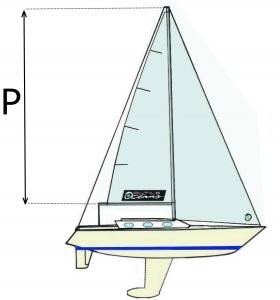
To select the appropriate ladder or ladder + extension setup for your boat, you’ll need to know the “P” measurement.
P is a sailboat rigging measurement that corresponds to the distance between the masthead and the boom.
Your sailmaker can provide this information.
The Magic-Mat ladder is available in 3.7 m or 9 m lengths.
It comes in a large storage bag and is designed to be extended using 2.3 m or 7 m extension modules, so it can be perfectly adapted to the height of your mast.
With this system, you can perform all essential mast work:
replacing navigation lights, servicing spreaders, installing a wind vane — all while staying safe thanks to the additional equipment, including a work harness and fall arrest system.
Ladder + Extension Combinations to Match Your Mast Height
| P MEASUREMENT | LADDER | EXTENSION 1 | EXTENSION 2 | EXTENSION 3 | EXTENSION 4 |
|---|---|---|---|---|---|
| 30 m | 9 m | 7 m | 7 m | 7 m | |
| 26 m | 9 m | 7 m | 7 m | 3 m | |
| 25 m | 9 m | 7 m | 7 m | 2 m | |
| 24 m | 9 m | 7 m | 3 m | 3 m | 2 m |
| 23 m | 9 m | 7 m | 7 m | ||
| 22 m | 9 m | 7 m | 3 m | 3 m | |
| 21 m | 9 m | 7 m | 3 m | 2 m | |
| 20 m | 9 m | 7 m | 2 m | 2 m | |
| 19 m | 9 m | 7 m | 3 m | ||
| 18 m | 9 m | 7 m | 2 m | ||
| 17 m | 7 m | 7 m | 3 m | ||
| 16 m | 9 m | 7 m | |||
| 15 m | 9 m | 3 m | 3 m | ||
| 14 m | 9 m | 3 m | 2 m | ||
| 13 m | 9 m | 2 m | 2 m | ||
| 12 m | 9 m | 3 m | |||
| 11 m | 9 m | 2 m | |||
| 10 m | 7 m | 3 m | |||
| 9 m | 9 m | ||||
| 8 m | 3 m | 3 m | 2 m | ||
| 7 m | 7 m |
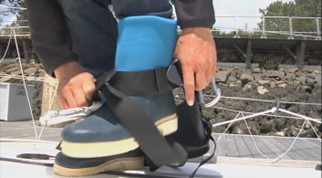
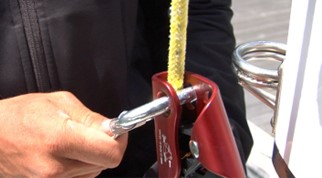
You are ready to climb !
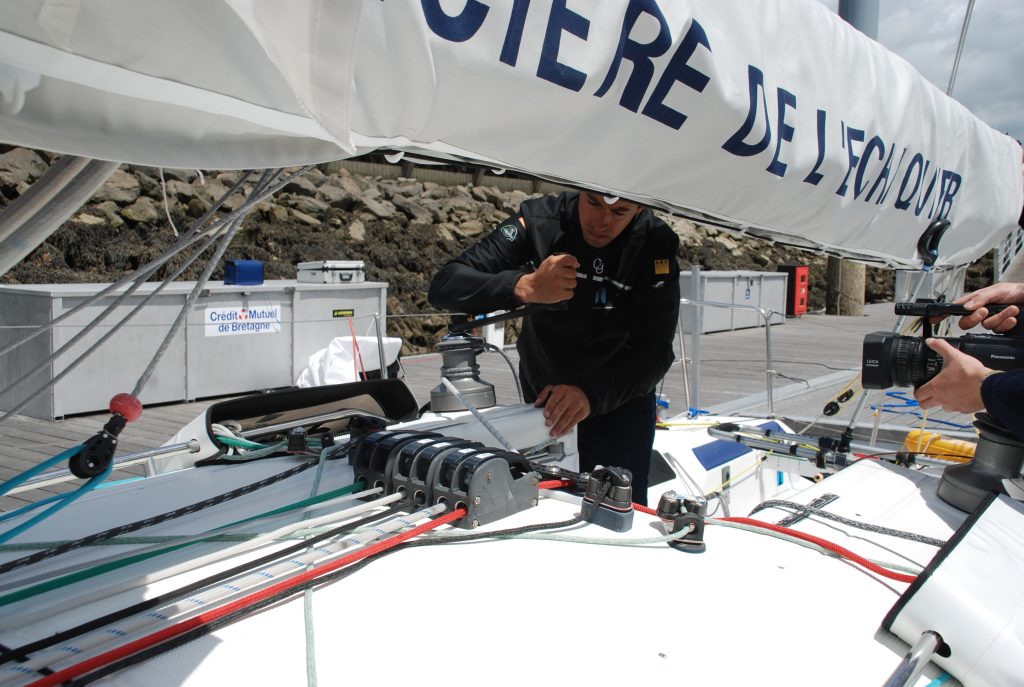
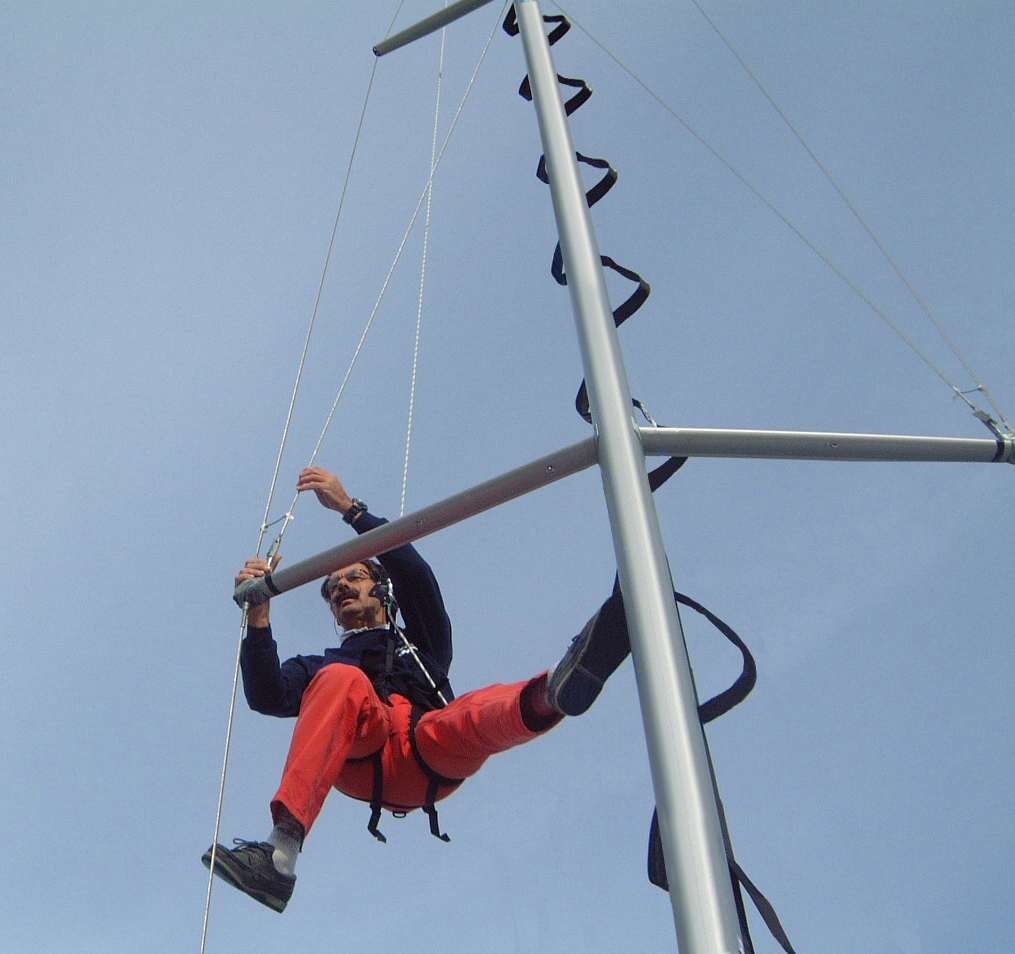
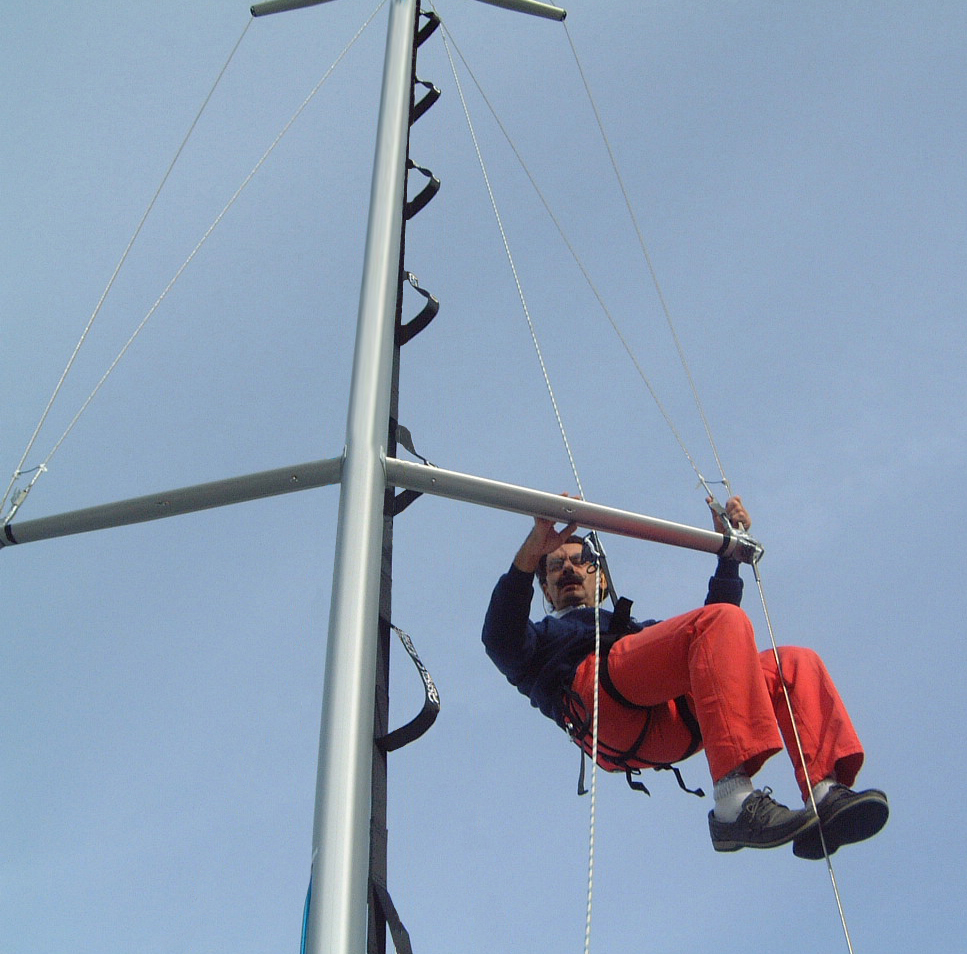
Use the “coconut tree” technique to ascend safely and efficiently:
Download the Technical Datasheet and User Manuals
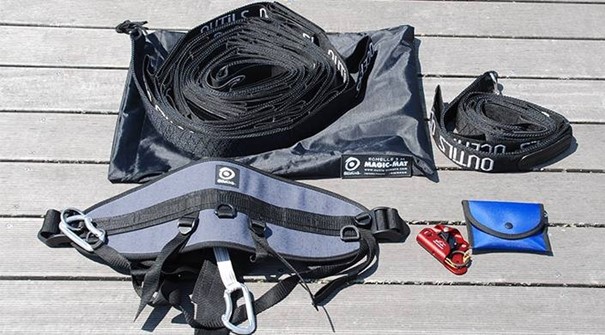
To ensure both autonomy and maximum safety, Outils Océans recommends using the Safety Kit, which includes two essential accessories for climbing, working at the masthead, and descending :
These two components are key to securing yourself at every stage of the operation, allowing you to work with complete confidence — whether at sea or ashore.
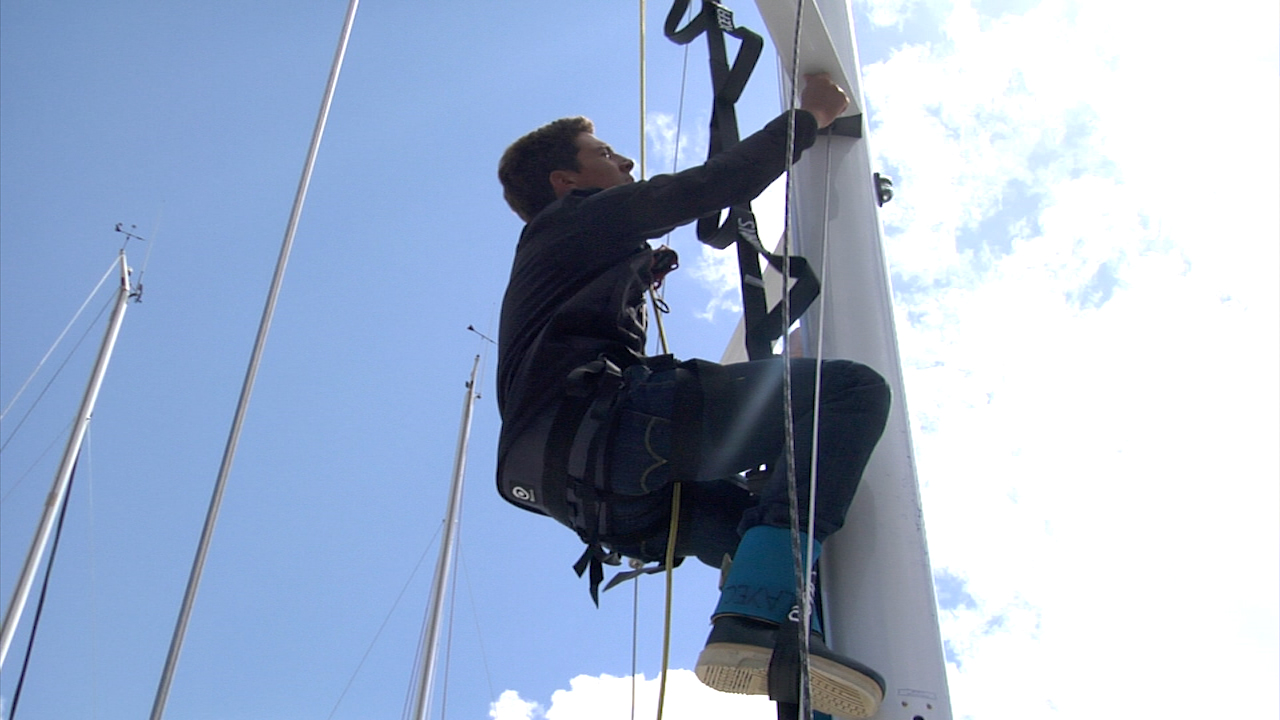
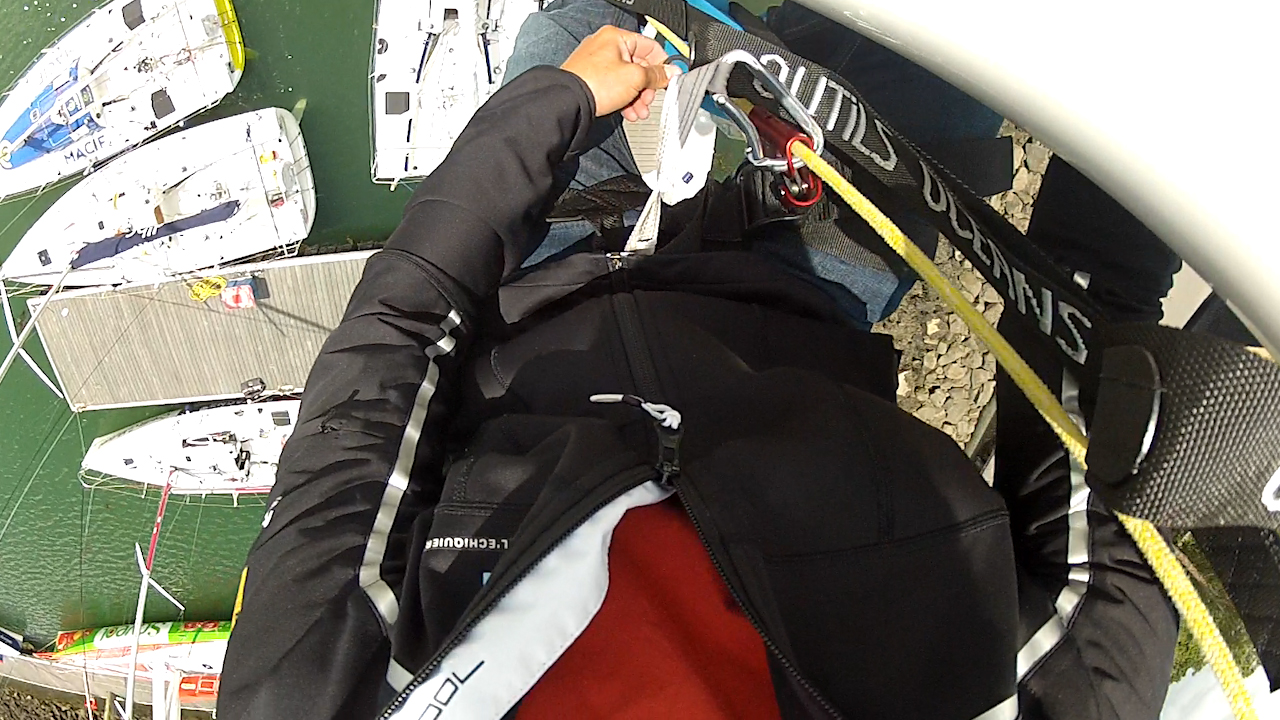
The harness combines the features of both a bosun’s chair and a climbing harness, ensuring safety and comfort during mast operations.
It allows you to stand securely on the ladder platform, supported by both feet, with your back resting against a wide support belt.
A lanyard wrapped around the mast lets you adjust your position for greater ease and stability while working.
Its harness-style design also lets you sit comfortably, suspended from the halyard via the fall arrest device, just like in a traditional bosun’s chair.
This gives you the freedom to rest comfortably between tasks, to reach out to the ends of the spreaders, to descend along the backstay or forestay…
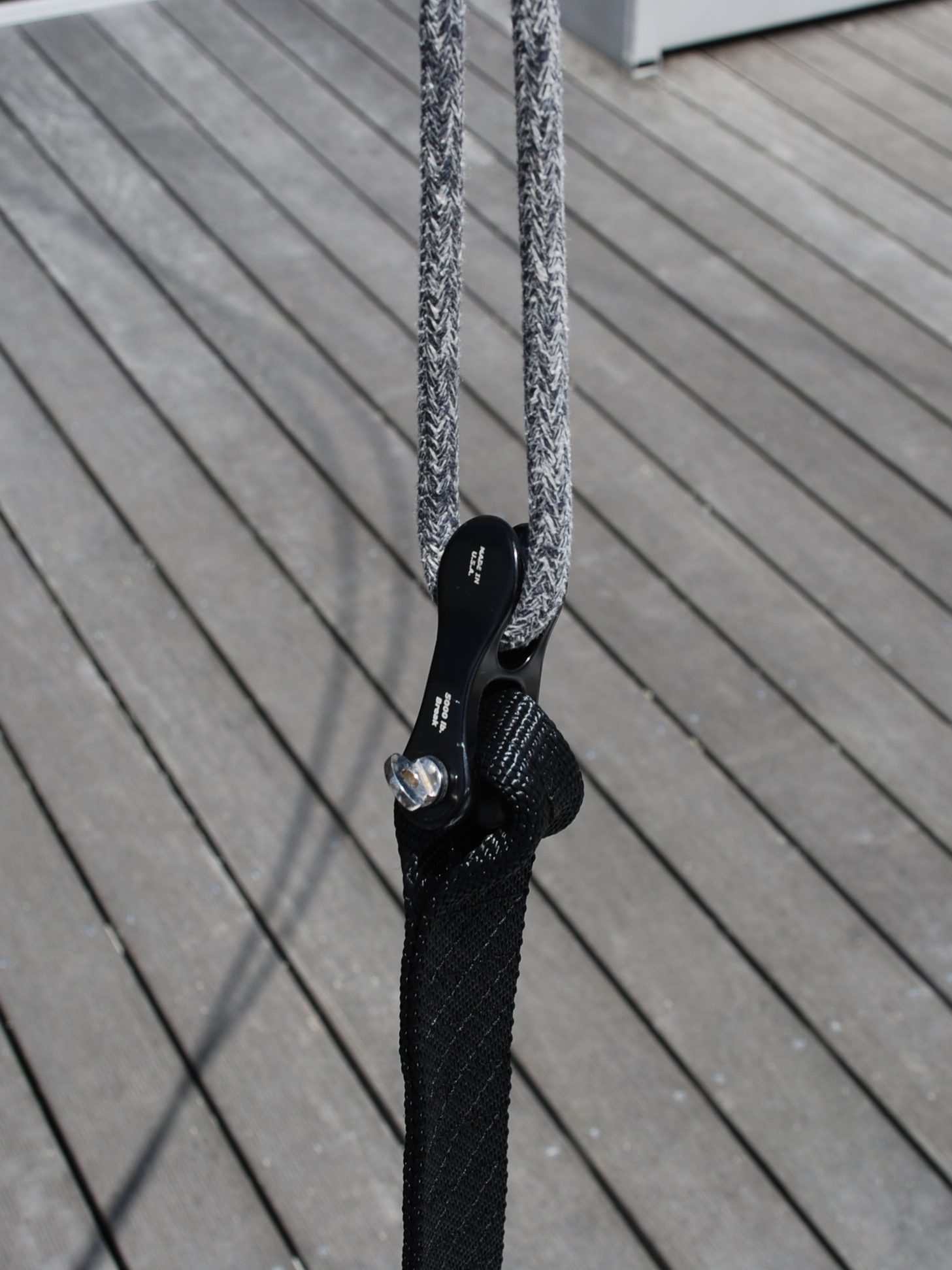
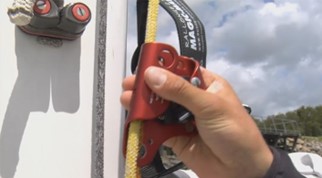
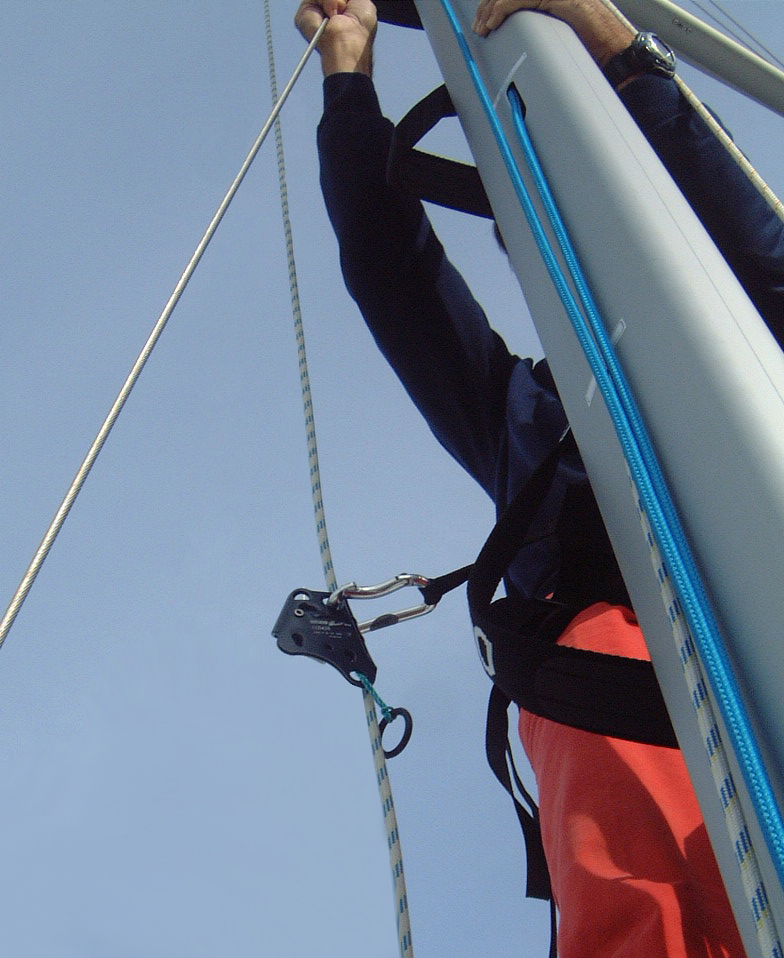
Originally designed for climbing, the fall arrest device is both reliable and easy to use.
It is attached to a free halyard, or to a line that you’ve previously hoisted along with the ladder.
During ascent, it follows your movement naturally, offering complete freedom — while ensuring immediate arrest in the event of a fall.
During descent, the system requires manual downward adjustment, step by step, providing controlled and secure movement all the way down.